"She dresses herself with strength and makes her arms strong." PROVERBS 31:17

Latest

APPROACHING ADOLESCENT NUTRITION : EDUCATE & EMPOWER 

unnamed-6

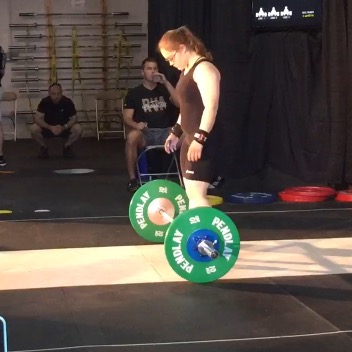
Juliette Chang-Fane, Outlaw Barbell 15yo, 58kg lifter —  60kg Snatch at Junior Nationals

Working with pre-teens and teenagers, especially females, is something most nutrition coaches tend to shy away from. This is especially true with the type of coaching I do, where I encourage counting, weighing, and measuring of foods. The umbrella fear is that we will “create a monster” so to speak, of a young girl (or boy) obsessed with the specific quantities of food he or she is putting in their body and constantly assessing how their body is physically changing due to food consumption. I do not need to speak any further on the topic, we all know where I am going and we understand the dangers of approaching this topic in a population that is so vulnerable. However, do we really think just ignoring the topic of nutrition altogether in adolescents is really the answer? It isn’t, and although difficult and fragile, the more we ignore something because of the discomfort it presents, the less we are actually solving.

Ricklynn recently released a great Q&A piece and answered an inquiry on the subject, so I know the questions and concerns are out there! I decided it was necessary to shed light and address this subject because daily I get inquiries from many adolescents reaching out and looking for nutrition advice. Most of them come to me because they are aspiring weightlifters, crossfitters, or other type of competitive athletes. Even at their young age, they are taking training seriously and understand that proper nutrition is an integral part of this training. I feel they should be rewarded for understanding this, and it is my responsibility as a nutrition coach to help them in the best way possible – not ignore them because the subject of food, physical appearance, and a teenage girl is scary and borderline disastrous. That being said, if you are a coach or mentor to a teenager or even pre-teen, or a fellow nutrition coach who has the opportunity to work with youngsters, I hope this piece is helpful and insightful! Let me end this intro by reiterating that I am not an expert on this topic, not even close. I am not a psychologist, I have not studied eating disorders in-depth, nor handling intricate nutrition counseling to the youth; this is not me preaching on how to end the very common issue of youth/teen body image, and a poor relationship with food. This is simply my recommendation, as an experienced nutrition coach, on how to handle the topic instead of simply ignoring it.

unnamed-3

Juliette Chang-Fane, also the 13th fittest teen in her age group in the 2015 Crossfit Open

1) Let The Children Come To You!

This should be a no brainer but I often hear so many parents or coaches tell me that they have a child who “needs nutrition coaching”. The funny thing about this is that very rarely do I get an email or are told from an adult, that they have another adult that needs nutrition coaching. It seems that because we – as adults – know that we have authority over youngsters, we can tell them when they need nutrition advice and help. Although technically correct, this is a setup for a disaster and we should avoid it. However, that being said, when a young person comes to you expressing interest in the subject – help them! If you feel uncomfortable or unable to do so, refer them to someone who can.   I get excited when I get emails from young athletes asking me to work with them because I know they get it. As exercise and sport coaches, we get excited when young talent walks in the gym with amazing work ethic. This is how I feel as a nutrition coach when a young person reaches out for guidance. Let them come to you, and if they do, show them the way! My initial response is always to send them some literature to read and report back to me with questions as well as 5 main ideas that they think are most important from what they read. This is essentially “homework” – something this age group is all too familiar with, and gets them really understanding that this will be an educational process more than anything. If they do not respond back, I know that they reached out for the wrong reasons, or simply could not be bothered anymore.

2) Pre-Teen/Teenager – Difference in Approach?

When I refer to a pre-teen, I will be talking about someone who is pre-pubescent. They are still growing quickly and need adequate fuel. They really should not have a “goal weight” (unless there is a severe case and they are being medically handled – in which case they probably shouldn’t be seeking your help anyway) and their nutrition should be based around performance and making adequate choices. I am currently working with a few pre-teens (age 12) and I have developed a system that I find works for me in dealing with them. I allow them to use the Flexible Nutrition approach, but instead of having them track the amount of fats, carbs, and protein they are consuming, and putting a limit on each – I simply teach them proper balance and what macronutrients are used for what purposes when fueling their training. We work in percentages only (the complete opposite of what I do with adults). Working in percentages allows me to not cap their intake. They eat when they are hungry and eat as much food daily as their growing body desires, however, they aim to stay within the correct proportions I have outlined for them. This encourages balance, the overall essence of flexible nutrition, yet doesn’t have them scared of intake or fearful that “more food is bad”. Just like I do with my adults, during their seasons or very taxing training days, I may incorporate a refeed where I adjust their percentages for that specific day (usually increasing carb and fat intake). This reiterates the idea that food is a source of fuel and should be primarily associated with providing us energy, not changing our body’s appearance. So, do I even have them log their food? Of course. Logging is the only way for them to keep track when dealing with proportions. No, I do not have them weigh and measure and no I do not make as big a deal out of logging as I do with my adults. Instead, I teach them how to estimate and “eyeball” portions, and how to properly read a nutrition label for serving sizes and “servings per package”. I direct their attention to the pie chart section of My Fitness Pal and they are taught to keep the percentages and pie chart in line with my recommendations as much as possible. In a nutshell, it is as simple as that really. Do not limit, but teach balance.

unnamed-2

Ruth Talbot, Outlaw Barbell 17yo 63kg — 44kg Snatch at her first meet ever. So much more to come from Ruth and I am excited to work with her going forward!

Teenagers differ than pre-teens quite a bit with how I handle them. Lets all rack our brains for a minute and think back to the basic anatomy we learned in high school. Not all teenagers are created equal and not all develop on the same schedule – mentally and physically.   Because of this, some teenagers will have to be treated more like the younger population I just spoke about, and some can be treated more like an adult. This will obviously depend on the age – as a thirteen year old and a seventeen year old are, without a doubt, very different animals. It will also depend on the gender of the individual as we know that most males continue to grow even past their teenage years while females stop growing much sooner. It is your job as a coach to get to know your athlete or client and understand how to approach working with them. As a coach, I generally deal with two different types of teenagers.

  1. Teens trying to take a healthier approach to nutrition while working toward changing body composition. (don’t need to worry about actual number on the scale)
  2. Teens who compete in weightlifting (or another weight class sport) and because of that deal with weigh-ins and having to maintain a training weight throughout their season.

The first group, if I feel they are ready (more on the adult side of the spectrum) I will provide them with numbers and teach them how to execute Flexible Nutrition the way I normally would. I avoid having them constantly get on the scale or checking body fat percentage and a lot of our assessment communication is about performance, recovery, and how they feel. Again, this is gearing the focus to the idea that food is fuel and getting a proper handle on nutrition, as a way to enhance their performance, should be the main priority of what we are doing.   They came to you because they clearly value the importance of this topic, so coach them that way. Education is above all. We know the process of Flexible Nutrition works so results will take care of themselves if we properly educate and help them execute.

With the second group of teens (the competitive weightlifters or other) I really do not have a choice about asking them to track and measure their food as well as asking them to get on the scale and keep track of their weight on a pretty regular basis. My tone with them changes here. This is part of their sport, and as a result we must coach them on how to attack and handle it, just like we teach them how to handle going out on the platform and lifting weight. There is no way around the subject and we must teach them that being able to make weight is a very important part of the sport they chose to pursue. Learning to do it in the most safe and comfortable way possible is why they are working with you as a coach. Personally, when I handle these young athletes, there are certain strategies that I use that I have found to be a great plan of attack.

  • Get a starting weight from them, set their numbers and give them homework of just hitting those numbers for a certain number of days (4-7 depending on time frame).
  • Give them a set day to weigh in the morning and report back, you do not want to hear about weight from them any time before that.
  • Continue this process as they move toward goal weight and make adjustments to numbers as needed.  Keep this process very objective – their sport says they must make a certain weight to compete, that is the only reason for this goal, period. We do not talk about appearance, abs, legs, arms, or any other physical aspect of what their body is doing.
  • Reverse diet immediately after each meet to allow your young athlete to be able to eat as many calories as possible moving forward. (This will help with the next time they have to make weight and will allow them to eat more food on their cut.)

With both of these age groups, I spend a lot of time simply helping them understand the role that each macronutrient group plays in fueling their activity. I don’t preach strict macronutrient timing to my youngsters, or even to my adults (honestly, I feel it overcomplicates nutrition more than it helps anything). However, with the youth population, I want them to understand and learn how their body functions in response to consuming the three different macronutrients in order to make positive, educated decisions about food for the duration of their lives.

Train a child in the way he should go, and when he is old he will not turn from it.” Proverbs 22:6

3) Parental Permission and Education

Although I included this as the final point, this is the part of coaching and helping the underage population that is most important and precedes everything. Before I ever start working or communicating with a youngster about food and nutrition I always make sure I have their parent or guardian’s permission and support. Mainly, this is for obvious social reasons. But as a coach I know the only way for them to be as successful as they can be is for their caretakers to understand the process and support what they are doing. I always offer to teach Flexible Nutrition to their parents or guardians at no additional cost because I feel it is that important for them to have a support system at home who understands what they are doing. Helping to foster an environment where your young client feels encouraged and confident is one of the biggest parts of correctly coaching them. I like to stay in contact with their parents or guardians as much as possible while working with them. That caretaker usually knows your young client better than anyone else and can give you feedback about how they see the impact your work is having.

unnamed-4

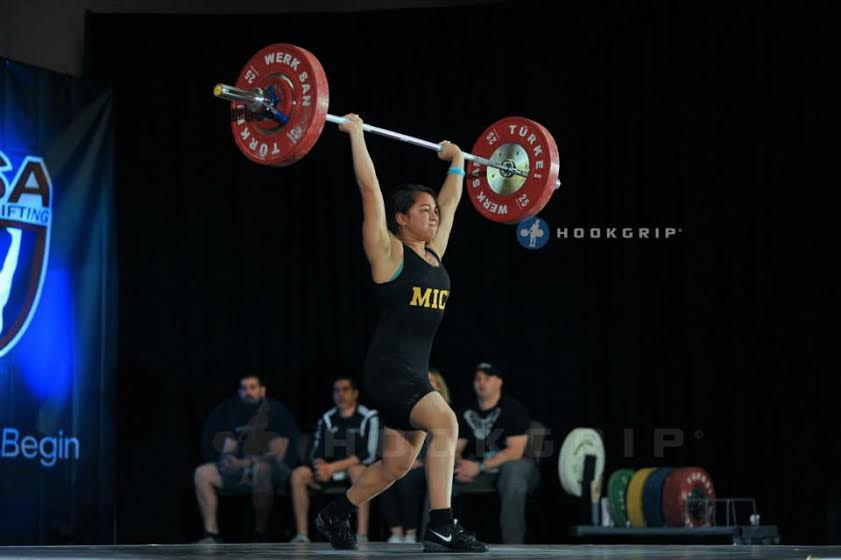
Juliette Chang-Fane, Outlaw Barbell, 15yo 58kg — 75kg Clean and Jerk at Junior Nationals

The bottom line in this whole touchy subject of teaching nutrition to a young, vulnerable, developing population is to make it objectively based and to simply lay out principles. Nutrition, and food in general, is one of the most enjoyable parts of life. It is a social activity, something to do with friends and family, and we must be able to teach a system to the next generation that allows them to enjoy those social events focused around food and not fear them – even if they have strict goals like being a competitive athlete or making weight for the purposes of their chosen sport. As with all things when dealing with youth (and teenagers especially), the more we constantly harp on something or make it a big deal, they will grow to regret it and start to rebel or have negative, opposite actions toward the subject. The more simple and natural we can present a topic, the better! Oddly enough… adults are not very different.

A FOLLOW UP AND ‘FAQ’ ON DONUTS & ABS

555

Photo credit: @photobyjurassic

First off, I want to say how blown away I am from the response and feedback I have gotten from my last post “How Donuts Gave Me Abs…”. When I wrote it, my intentions were to open eyes and show people that we, as a fitness community, have become closed minded with how we approach food. We have almost become cult-like (its funny, isn’t that what the “haters” tell us too?!) The truth is that most of us don’t actually know any better. We look at top level athletes in amazing shape and think they are walking around eating nothing but plain, grilled chicken and tilapia and mounds of broccoli and have no life when it comes to food. We hear our coaches talk about “clean eating” and “whole 30” and “grain and gluten-free” and know no other way, so we cling to the idea and become depressed and think it is something we have done wrong when it doesn’t work for us. We hold steadfast to this nutrition idea because we want so badly to succeed.  We think the sluggish, “stuck in the mud” (you don’t know how many emails I received with that description!) feeling during workouts must be something wrong with us, not with the way we are fueling our body. We are doing what they tell us!
My point in writing this follow-up is for a few reasons:

1) A Thank You. The feedback I received has been overwhelming – 40-50 emails or facebook messages a day, for the past two months. It gets to be a little much at times, but to be honest, I love it. I feel blessed and I get choked up a lot when I think about it. God blessed me with athletic abilities and some weird form of social media notoriety because of it. Somehow, I was able to be in the position where I could reach so many people with a simple blog piece. The support and kind words have not been overlooked, AT ALL. I have read every single email all the way through that has been sent to me, and it is still unreal that I have had this impact on people as well as just the sheer number of people I have managed to reach. I have found a new daily inspiration in all of you and I cannot thank you enough for all the support. Humans are a codependent species – this has proved that to me in such a vivid way it is unbelievable.

2) All the gushy stuff being said – I feel bad when I can’t get through all the emails in a timely manner and for this, I both apologize and have decided to do an FAQ as an initial reference point. I go through so many emails with the same questions or concerns over and over. Funny thing is, when people ask me questions or make statements, I often get the impression that they think they are a weird person for it, or very different from everyone else in a bad way like there is something wrong with them. I laugh because a lot of people are facing the same issues or having the same questions and I feel like we should all hug and have a group therapy session – so yes, I am writing a group therapy FAQ piece. ☺

IMG_5006

3) Lastly, this has grown into a business for me. As any person who is involved in a business knows, not every person needs the same type of services. Options are always a must. At the end of this post, I will include a link to options as to how we can work together if that is something you are looking for. The options will vary in price and service offered. But I think it will be an easier way for me to reach and inform a larger number of people!

Screen shot 2014-10-30 at 9.46.47 PM

FAQ:
1. How can I find more information on Flexible Dieting?
How do I determine my own macros?
How did you determine your macros?
What macro calculator did you use?

Okay – the answer to all of these questions is one in the same. The best way I can get you the most detailed information at the cheapest cost is to direct you to Krissy Mae’s PDF file “FD 2.0” – use code “OUTLAW” when purchasing (https://gumroad.com/kmaecags). In here, she offers a system of calculation that I love and trust. It was what I used as a reference when I first started working with my coach… you can purchase it through there and learn a little bit more about this approach on eating for performance. It is the calculator I use when working with my clients as well and I feel it gives you the best suggestion for setting your numbers.

2. I went on IIFYM.com and found these numbers, they seem crazy, should I use them?!

Most numbers that I have seen people show me from IIFYM.com have made no sense to me. Before you think I am knocking the website let me say that I have played around with it quite a bit and it is not the websites fault. Most people are not accurate with their activity level, body weight, body fat, or some other variable that severely throws off the calculations. In most cases, people who exercise (especially CrossFitter for some reason) think they are burning this absurd amount of calories and need to eat sooooo much food because of it. Most times, that is not the case. Sorry guys, you are not Michael Phelps. Also, there are a ton of questions and options the IIFYM website asks for – if you are new at the whole macro counting thing, it is hard for you to recognize what option makes the most sense for you to follow. My answer is don’t use the website unless you have experience with counting macros in the past with a coach. Find yourself a coach (or read the PDF from response 1) and educate yourself a bit before revisiting the website.

3. What app do you use to record your food each day?

I use My Fitness Pal to record my food daily. It was the one I was originally introduced to and the one I am most familiar and comfortable with. I have had reports back from clients about other apps that they love. I think this one relies on personal preference. It doesn’t matter what app you use to record, simply that you pick one, become very familiar with it, and use it!

4. I am not as active as you, will this still work for me?

Yes it will! Activity level is simply factored into your numbers when a coach creates them. So, depending on your activity level, your numbers will be tweaked and adjusted. This still means that you will get to have any kind of food you like as long as it fits into your numbers. What this means is where someone who is extremely active may be able to fit a doughnut into their diet daily because their numbers would allow for it, you may need to make it a special, occasional treat where you save up some of your numbers one day in order to make it fit. In any case, yes, flexible dieting will work for you also!

5. The numbers you gave me leave me with SO MANY carbs! How do you expect me to eat them all?
What are other good sources of carbs? It is really hard to fill my numbers up with vegetables!

Learn to love and accept carbs, people! I know paleo, whole30, and whatever else blah blah blah you have been brainwashed by has told you that every carb (besides sweet potatoes and spaghetti squash of course!) is the devil and that all humans are gluten intolerant and will drop dead the second a grain or a morsel of sugar touches their lips – but I am here, as your carb angel, to tell you that is not true. If you are fairly active, and your numbers are correctly set, chances are it is going to be very hard for you to fill up all your carbs using only broccoli, peppers, and sweet potatoes. Begin to get comfortable with the idea that grains aren’t the devil. Foods like oatmeal, bread, cereals, rice cakes, rice, potatoes, fruits, ice creams, yogurts, cookies, and of course doughnuts will not 1) make you drop dead and 2) make you a bad exerciser. Of course, everything in moderation (which is why you are counting macros in the first place) so don’t use all your allotted carbs on the pint of ice cream, but you most definitely should experience it’s joys now and then! I promise Rich eats ice cream.
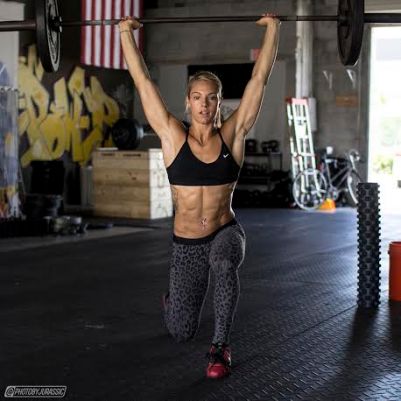
unnamed-3

Photo credit: @photobyjurassic

6. I am hitting my daily macro goal, but the calories are not matching up, what am I doing wrong?

Nothing, MFP is wrong. Just keep hitting your macro goals. This usually happens if an item gets originally inputted wrong and the macros/calories don’t add up. Often times, product labels round up if something is not a whole number so the calories can be off (sometimes up to about 10 cals!). One little trickster in this issue is fiber. Fiber is one of those things that only “counts” depending on who you ask because it is technically a “non-impact” source of calories – yet, it is still a carb. Alcohol is the other trickster. I am sure you have heard alcohol is “empty calories” meaning it often will be recorded in the app as calories without a macro content, which will throw off your matching. Just hit your macro goals daily and disregard what the calories tell you – while avoiding alcohol as much as possible.

7. I can’t seem to hit my protein without going over on my fat. What am I doing wrong?

So this is one that is a lot more common than I would have expected. Often, I find the problem is rooted in one main area. People switching from a “paleo-ish” mindset are used to having so many fats in their diets because of the lack of availability of carbs as an energy source. Things like avocados, nuts, nut oils/ butters/milks, coconut oil/milk/cream are staples in their diets, mainly because that’s what paleo tells us. Because of this, a lot of fat is used up in these areas. Then, paleo tell us eggs bacon and “grass fed” beef is good – so we all eat 4 (or more) eggs and a pound of bacon for breakfast each day. This leaves little room for fats that often accompany proteins throughout the rest of the day– leaving people in a great macro conundrum! HELP! My answer is to first, take unnecessary fats out of your diet. Also, switch your protein sources to options that carry little fats (for example: a breakfast containing 2 eggs + 6 Tbsp of egg whites instead of having 4 eggs). Foods such as lean meats (white meat chicken and turkey), egg whites, fat-free yogurts, cheeses, and other dairies will help this issue.

8. Do I count my vegetables as carbs?

Yes, of course. All foods must be counted. All foods are made up of one of the three macronutrient categories in some type of proportion. “Vegetables” isn’t a macronutrient, silly.

9. Should I balance my macros evenly at each meal?

Nope. There is no need to go through all this trouble. If you are asking this question you have most likely done some version of zone dieting in the past and it has made you super aware of balancing macros at each meal. Is it a bad thing? Of course not. In fact, most days I find myself doing it accidentally because a balanced meal is usually the most delicious and satisfying. However, it is not necessary or mandatory. Eat as you please daily, just make sure to hit your numbers by midnight!

10. What kind of supplements do you take?

When I hear “supplements”, I interpret it to mean “anything that I intake that is not a food or beverage”. So, here is my long list of “supplements”: 1) a multivitamin, 2) probiotic capsules (I have an awful stomach and it gets unruly easily), 3) Lurong Living when I am unusually sore, 4) Jaktrx (www.jaktrx.com) protein powder added to my cooking and baking or if I am in a rush and need quick protein on the go. So no, I do not take any “pre WOD!”, any “super awesome amazing jet fuel powder”, or drink 2-3 protein shakes a day. I eat my food and I do my best to eat a diet balanced in all sorts of variations of vitamins and micronutrients to keep me feeling good.
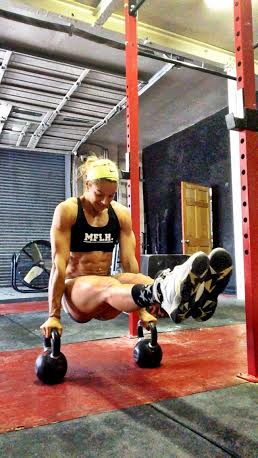
unnamed-6

11. How do I calculate and record food when going out to eat or with foods that have no nutrition information provided?

This is a very common question. Not sure why I am waiting until #11 to answer it, but here it is. When going out to eat. my best advice is to order as basic as possible off the menu and estimate it into your MFP app by searching the food and then using similar options from the database. For ease purposes, a protein cooked a simple way with minimal sauces, a vegetable that is steamed or grilled, and a non-fried carb source such as rice, potato, plantains, or yucca (yes, that was for you Clyde). The more “normal” and “basic” you keep it the easier it will be to record. I always get this question with doughnuts. The latest craze of doughnuts and cupcakes has brought us an amazing surplus of “designer doughnut/cupcake shops”. When I go to such shops, I usually pick a comparable option in MFP like an entry from Dunkin’ Donuts. Will I be exact? No. But I will definitely be close enough to where it won’t completely throw my macros off for the day.

12. I made [insert delicious homemade meal here] but don’t know how to record it in my app ☹, what now?!

Luckily, the brilliant creator of MFP made a handy little “recipes” tab that you can get to on the screen you use when you “+” a food. It will be at the top right. When you click on this, it will ask you to name your creation and then will ask you for the number of servings. You will then have to input all of the ingredients you used and the amount you used (for the entire recipe). The food will then be saved in the Recipes database on your app. When you chose it to add to your daily food log, it will divide it by the number of servings you said were in the dish. Easy peasy!

13. Do I care about sodium and cholesterol for my daily goals?

Essentially, no. I don’t mean they are not important. I mean, unless you have a diagnosed medical issue affected by one of them, or are eating highly processed and fast foods for the majority of your nutrient consumption, they are likely of no danger to you. Stick to freshly prepared and high-quality foods for the majority of your meals, and drink plenty of water daily and I promise you won’t have an issue with sodium nor cholesterol.

14. What about fiber? What about sugar?

These are two separate questions, but I combined them because they go hand in hand. Both are part of the carbohydrate macro category and both are discussed frequently when it comes to nutrition. Let’s start with fiber. Fiber is a highly talked about subcategory in macro counting. It is a carb and counts as a carb. I get asked a lot about subtracting fiber from overall carbs, NO CHEATERS, it is a carb! ☺ As far as daily recommendations go, the rule of thumb is that females need about 20g a day and males about 30g to be on the safe side. Fiber helps with slowing digestion (keeping you full) and decreasing cholesterol in the blood. The best forms of fiber come from fruit and vegetables so be sure to keep those in your diet as much as possible! On the other hand, we have sugar, often, if something contains lots of sugar it contains lower percentages of fiber. I get asked all the time if sugar matters in counting macros. I always answer “no, but try to keep your sugars stacked around your workouts in order to fuel your best”. Understand that a balance between natural sugars (like fruit) and processed sugars (like cookies) are essential – in other words like your grandmother taught you with money – don’t use all your carbs in one place!

15. I’ve hit my numbers all week, can I have a doughnut tomorrow? It fits my numbers!

Flexible Dieting isn’t a system of rewarding behaviors. We don’t have “cheat days”. Cheating implies you are doing something wrong. When we are eating we should never be in the mental state that we are doing a devious thing. Krissy Mae says it in a perfect way, “there are no bad foods, just bad portions”. So, no, you cannot have a doughnut because you hit your numbers all week. You can have a doughnut because you can make it fit into your macros today.
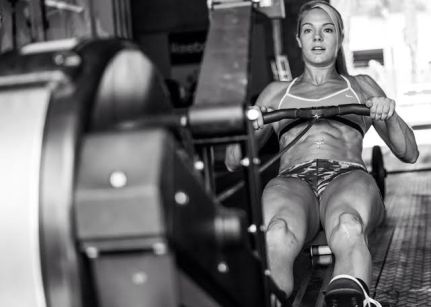
unnamed-1

Photo Credit: @photobyjurassic

16. How close do I have to be to my macro goals every day?

Ideally, you want to hit them exactly. This won’t happen that often, at least not in the beginning. However, the first time you do this, you will feel like you just won the Super Bowl. You will most likely screenshot it, send it to all your other macro nerd buddies, as well as post it on Instagram in one of those fancy picture collages along with some of your pretty meals from the day to show off. (No! I’ve never done that! I just see all the other weird people do that………….. ) Ok, for real – I always tell my clients that they should be within 3g +/- of every macro every day. There are enough foods out there for you to get this accurate if you are diligently paying attention to your numbers and what you are eating, this should not be that difficult once you are a few days in. If you are constantly running into an issue you may want to seek the help of a coach or someone with experience counting macros.

17. I was completely off with my numbers today, now I feel like a total failure and am totally guilty. Also, am I going to wake up 10lbs heavier tomorrow?!

Okay – this is an exaggeration of a question but I get dramatic variations of this often. No, you are fine. Just get back on your numbers tomorrow. Flexible dieting is a method of “biohacking” where we set your body to know and understand how to process the food that we provide for it. Because of this, your body becomes able to deal with an incredibly off day and bounce right back to normal functioning and processing. These “off” days that happen actually affect us more mentally than physically. However, do not get into a habit of this. Keep these wacky days to a minimum and you will have the best success. The one mistake I hear all the time is “I had a really off day yesterday so I just ate chicken and broccoli all day today”. Well, guess what, now you just had two really off days in a row. DON’T DO THAT! Just get back to your normal numbers the next day. Do not try and “make up for” the day before.

18. Can you provide me with some recipes or food ideas?

Sure thing! Most times I make things up on the fly or make meals based on what I feel like I am craving at that day and time. When I make something (that I feel) is noteworthy, I post it on my Instagram food blog [@honoryournutrition]. If YOU create something (that you think) is noteworthy, post it on your Instagram and tag me and I will repost it to share with the rest of the community!

19. I want abs, how many doughnuts do I need to eat for that?
I want my lifts to increase, how many Oreo’s will it take for that to happen?

These kinds of questions always make me chuckle at my computer. I know you guys don’t actually think my abs formed as a direct result from the doughnuts, nor my snatch PR as a direct result of the Oreo’s – but, maybe I was a bit misleading with my title. ☺ Before I started flexible dieting, I had abs, and they were visible (go back to my before pictures from my original piece) they were just under a layer of puff so to speak. My point in naming the article in the manner that I did was 1) to catch attention (as is always the point of a title) and 2) to drill into people’s brains that sugar is not the total enemy and you can eat “normal” foods in correct proportions while still working toward a lean body mass – it is actually science! My snatch PR was a direct result of months and months of daily technique work and as all you athletes know, the Olympic lifts are a constant work in progress and a constant number chase. The point of me including that in the title was to allow it to hit home that flexible dieting is not just something that will make you look good, but it is also something that will allow your hours in the gym to be fueled properly. You will gain energy and the ability to recover properly, which will, in turn, make your sessions more and more productive in the gym, which then and only then, will result in rewarding strength gains and personal bests. So, maybe my original piece should have been renamed “How Donuts Played A Role In The Road To A Lean Body Mass By Resetting My Metabolism & Also Fueled the Many Hours In The Gym Holding Heavy Barbells Overhead Which Developed My Abs and Allowed Me to Snatch 80kg.” But, what normal person has an attention span to read that title?!

20. I want personalized help from you! What do you offer?

IMG_5006

Here are the current programs I have available as well as pricing options (**UPDATED AS OF MARCH 2015).
a) SMS – Simple Macro Set (or reset) plus “Starter Guide”: This is the most basic, and least personal service I offer.  I get some information from you and give you macro numbers that I recommend you follow based on the goals that we discuss. When you come to me for this, I expect that you know and understand flexible dieting (do your research, most recommended is Krissy’s FD 2.0, use code “gainz”) so that when I send you on your way with numbers you are not completely lost and confused. I recommend this service for people who understand the body, nutrition, flexible dieting, but just want to make sure their numbers are correct and in accordance with what they are trying to accomplish.  I will send you on your way with one page “Stater Guide” that will cover some basic issues or questions that I find people run into when they are first starting off.  In the event, you would need a reset once your body weight, body fat, or goals significantly change you can come back and I will give you a new set of numbers in accordance with your new data.
Service cost: $40 per set or reset plus “Starter Guide”

b) ID4 – In-Depth 4 Weeks: This is where I provide a month of constant access to me in regards to your nutrition needs. I will set your numbers, recommend timing, collect progress pictures, explain the process, and teach you every step of the way how to go about being successful while flexible dieting. I would recommend this for competitive athletes and weightlifters as it basically allows you to work with me as your nutrition coach daily, in order to accomplish what you need to such as drop a weight class, make weight on meet day, or learn how to maintain/build strength and mass during a training season. You will have unlimited access to me via email, but I ask that you give 36 hours for a response.
Service cost: $80 per 4 weeks with no contract

c) GRID SHAPE NUTRITION:  This is a pay up front 12-week program that is extremely exclusive and limited in the spots I accept/fill.  A new cycle begins on the first of every month.  It is a complete program, my priority clients, and those that are serious about having a coach and making a life change whether it is preparing them for a sport, or just getting their life back on track.  The waiting list is open for the next month’s cycle and can be found at gridshapetraining.com.

d) Seminars: I tour the country (and other countries) doing nutrition workshops.  These workshops will be a full day, in depth coverage of Flexible Dieting and how to properly balance your diet for whatever your goals may be.  My intentions are to leave no stone unturned.  If you are interested in hosting a workshop at your gym or in your area, you can email nicole.capurso@gmail.com.
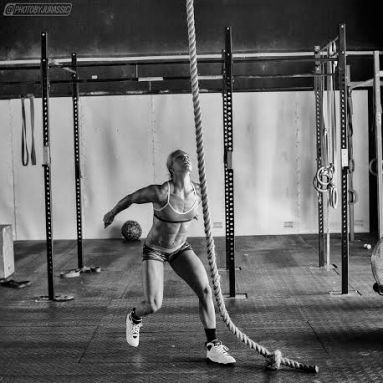
unnamed-13

Photo Credit: @photobyjurassic

We need to start thinking about nutrition in the same way we think about exercise. It is a scientific process, and there needs to be formulas and processes behind everything. Science works. Similarly, like with exercise, it is often very hard to be your own coach – no matter how much knowledge you have on the topic. I have a degree in Exercise Science and coach athletes all day in the gym, yet I have a coach of my own who tells me what to do and programs for me. My nutrition is no different. Although I am a coach in that discipline as well, I have a nutrition coach of my own and I need to give her full credit and respect where it is due. Ricklynn Long has taught me a large percentage of what I know and has been amazing since the day I started working with her. She offers similar programs as I do when it comes to counseling.

My Contact Information:

www.honoryournutrition.com

Honor Your Nutrition (on Facebook)

nicole.capurso@gmail.com

personal IG: @ncapurso22

food related IG: @honoryournutrition

HOW DONUTS GAVE ME ABS, & AN 80KG SNATCH

Untitled1 Probably one of my favorite pictures of myself. When everyone else sees this they see abs. I see a culmination of all I work hard for and dedicate myself to – PERFORMANCE and the betterment of.

I have been meaning to write this post for a while now and just simply haven’t gotten around to it.  Lately, I have been getting a ton of inquiries about how/what I eat and how I was able to transform my body and performance because of it.  If you have been following me for more than about two or three months, you have noticed the changes that my body has gone through – at least physically.  Maybe you have, or maybe you haven’t noticed, but those physical changes are directly correlated with changes in my performance as well.  While being more than 10lbs. lighter since switching eating plans I have made some serious gains in the gym.

Since regionals, I have revamped my diet and the way I look at food. until then, I guess you could say I was the classic CrossFitter – I would eat “clean” (or paleo) for 6 days out of the week and on one day I would eat whatever I wanted, which was usually anything in sight.  This is what I understood to be how an athlete was supposed to eat – simply because Paleo is the be all end all in the CrossFit community and I thought that was what I had to be doing.  What I didn’t realize was how little carbohydrates I was eating (really only sweet potatoes and fruit) and how much fat (avocados, nuts) I was eating.  This is almost inevitable on a Paleo diet because it leaves you with a limited amount of carbohydrate dense foods and a ton of foods that are filled with fat.  This works for some people, and I am not knocking it.  I just found that personally, my body did not respond well physically, nor feel great eating this way.  Before I go any further, let me explain that I was 100% pro-paleo when I was first introduced to it.  I found it made me feel cleaner, healthier, and I had a new-found respect for keeping nutrient-dense foods in my diet.  I lost a ton of weight when I first started eating that way.  In fact, when people walk into the gym and are overweight I still point them in the Paleo direction because I feel it is a great way to begin to understand food and the importance of consuming a diet that is based around protein and vegetable consumption.  However, as I started exercising more vigorously, doing two-a-day sessions, and incorporating high volume into my training program – I became hungrier.  I was still trying so hard to follow this Paleo way of eating that I was consuming an incredible amount of food to do so.  In addition to a large number of protein I was consuming each day; an avocado or two in a day, handfuls of nuts, tons of bacon and eggs, all the fruit and sweet potatoes I could get my hands on was a typical day of eating.  Still, I never felt like I had a great amount of energy and physically – although I was getting stronger and more muscular, I was somewhat soft and fluffy.

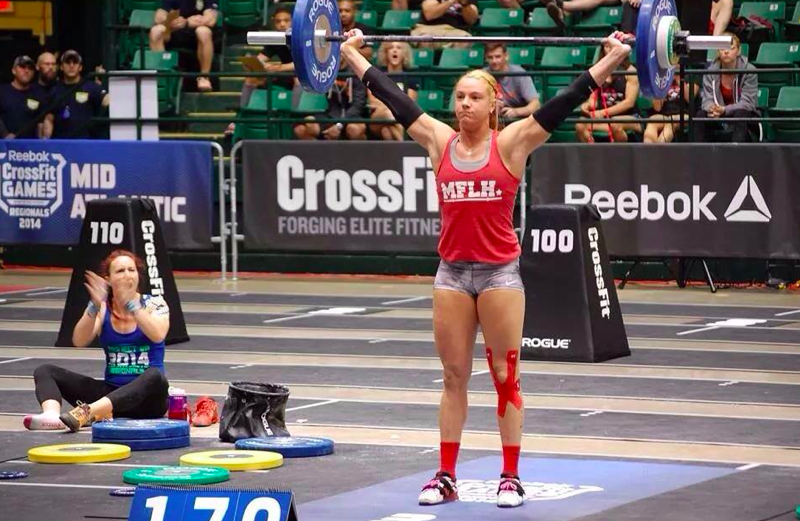
This was me at regionals - you can see what I am talking about as far as physical body difference This was me at regionals – you can see what I am talking about as far as physical body difference between then and now.
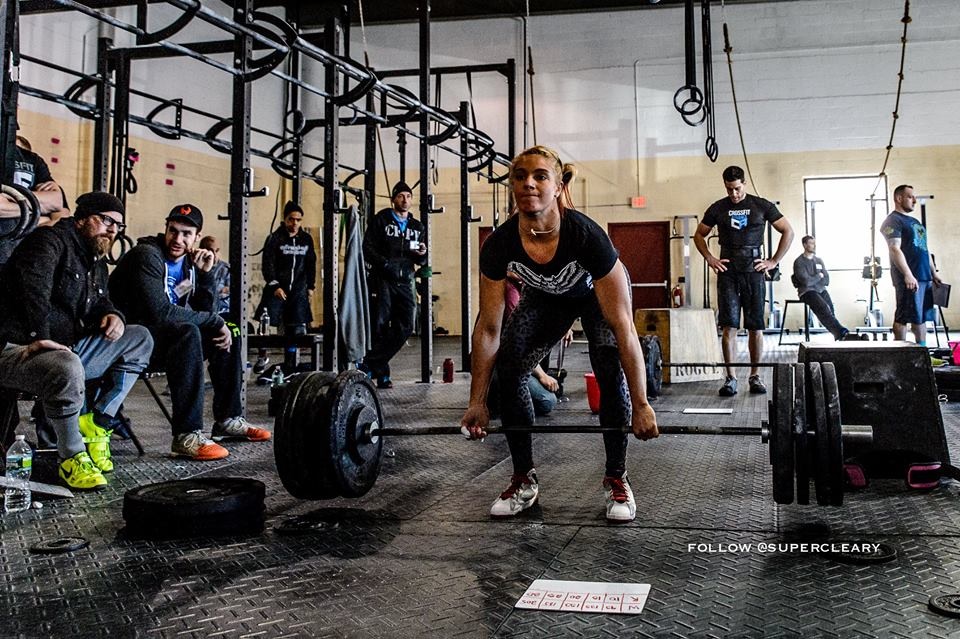
Screen Shot 2014-08-31 at 3.59.49 PM January 2014 at ECC where I did fairly well but was missing something. I was eating 80/20 paleo at this time.

I stumbled upon my current diet accidentally.  At the gymnastics meet disguised as the 2014 Crossfit Regionals, I weighed in at 155lbs AFTER the weekend was over.  I was in no way “fat”, but knowing what I know now, and feeling how I feel – that was about 10-12lbs too heavy for me to be exercising at – especially in a gymnastics meet.  A part of me kind of knew that, but I rationalized it with myself as I was putting on muscle and getting stronger and that was just the weight I was going to be as a result of it.  I’m not one to be caught up on a number on the scale so it really didn’t phase me.  After Crossfit regionals, I was getting ready to compete in weightlifting nationals.  I had plans to compete as a 69kg (152lb) lifter because 63kg was out of the question.  Then, I get a text from my lovely coach one day that said: “How mad would you be if I asked you to cut to 63 for nationals?”.  Partially because I am so conditioned to listen to him, and partially because it sounded like a challenge to me I told him I would try my best but I could not make any promises.

IMG_5006

To be honest, I thought it would be impossible and I was just going to be a good sport and try it out.  I refused to starve myself and be miserable but I would try and find the best way to do it.  I contacted a close friend, Ricklynn Long who I knew followed some food plan called Flexible Dieting and asked if she thought it was possible for me to cut about 15lbs in two months while maintaining my strength.  She assured me that it would take a lot of diligence but we could make it happen.  She introduced me to Flexible Dieting (IF IT FITS MY MACROS) and how it works and outlined a week by week plan for me.  Within the first week, I dropped 5lbs as well as PR’d my jerk from the blocks and my 3-position clean.  I felt like I had more energy in my workouts and throughout the day in general – I was convinced it would work.  With her constant help and a lot of diligence from me, I weighed in under 63kg (138lbs) at nationals in July while still managing to keep my lifting numbers and strength numbers the same.  Since then, we have adjusted my diet back to where I am comfortable maintaining a body weight of about 140-144lbs while eating more food in a day than I ever have before.  This is possible because when your macronutrients are proportioned correctly, your metabolism skyrockets and you become a body that “burns hot” allowing you to eat a whole lot while still maintaining body composition.  I am leaner and stronger than ever, I feel lighter and more in control of my body in gymnastics movements, all of my lifting numbers have gone up, and my energy levels have increased significantly.

unnamed

For those of you who aren’t exactly sure what Flexible Dieting is, I will give you a quick rundown.  Basically, it is a system where you create a food map of macronutrients (protein, carbs, fat) for your daily consumption of energy based on your needs.  “Your needs” could be anything from a weight cut, to a weight gain, or simply weight maintenance where you just want to become leaner.  You can fill those grams of macros with whatever foods you wish as long as you hit the numbers determined by your food map.  This allows a bit more freedom in your diet which is good for numerous reasons.  It doesn’t make any food “off limits” or “bad”.  This, in turn, gets rid of the guilt that comes along with eating something that is “forbidden”.  For me, it allowed me to incorporate much more variety into my diet which I feel is very important.  In the past, following Paleo, I felt like I was eating the same things day in and day out.  Also, because it allows you to eat literally anything you are craving as long as it is done within the parameters of your daily macro allotment, it alleviates the “binge day” or “cheat day” that is so often found on the Paleo diet.  You know, the one day where you spend your entire day eating every single food that you weren’t allowed to have on your diet all week.  Usually, people will consume 3-4x the calories they do on a normal basis during these days.  This takes your body about 3-5 days to recover from and can leave you feeling pretty bad physically.

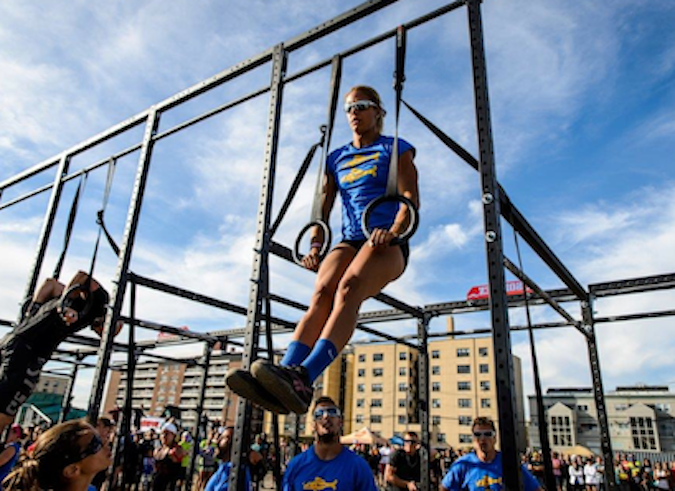
unnamed-4 This was during a scrimmage at training camp with my Miami Surge teammates “King/Captain” Coppola and Ricky “Boy Wonder” Redus

What this all means is that I regularly eat foods like sugary cereals, donuts, ice cream (which I’m actually having as I type), cheese, and anything else I am feeling like for that matter.  However, I am very diligent about weighing and measuring the foods – making sure I eat them in their correct quantities to fit my macros.  If you know me, you know that my food scale is never far.  I keep it on my kitchen counter, I travel with it when I’m being a gypsy – I weigh and measure almost everything.  This is how I was able to cut weight safely and happily while still eating a bowl of cereal in the morning if I felt like it, or having some ice cream at night before I went to bed.  Don’t get me wrong though – just because the diet ALLOWS for these things does not mean that is the bulk of what I eat.  Most of my meals consist of lean meats, vegetables, and solid carbohydrate sources such as potatoes or rice.  I am very aware of nutrient-dense foods and always choose those over my treats.  However, it is nice to know I am able to incorporate those treats into my diet when I want.  As far as energy goes, because I now have an allotment of grams of carbohydrates, I am able to fuel my workouts and strategically place my carbs around workout time to keep my energy levels high when I need it most.  Most days I will bring a carb snack to the gym to have during my mid-workout session.  This snack is usually something like strawberries or bananas with fat-free whipped cream, cookie crisp cereal, applesauce, or a Golden Grahams s’mores bar.  When I am working out I find that fast acting, simple carbs, like that work best to keep my energy level up and keep me feeling good.  I also try to save some of those “fast acting” carbs for right before bed.  This might sound crazy, but it stems from the concept of carb-backloading – muscles respond well overnight to this rush of carbs and it actually causes you to wake up feeling energized, hungry, and looking pretty lean.

unnamed-6 Me prepping for a meet this past week – I am now able to comfortably maintain my body composition and it has optimized my performance. I PR’d my best meet total by 10kg hitting 73/98kg at 63kg bw

All in all, my reason for writing this is to debunk the ideas that 1) carbs, grains, and sugar are the total enemy, 2) to be a lean, high performance athlete you need to eat super “clean” and boring 3) Paleo is the nutrition gift to Crossfit.  If you want to be a successful, high level athlete, there is no doubt that diet plays an essential role.  There is no one-plan-fits-all way that will allow success amongst all.  This is simply the one that I have found to work best for me.

IMG_5006Decide what your goals are.  Create a plan. Execute that plan. Learn your body and be able to understand what it is asking for.  Don’t deny it of things that it wants. Approach food with excitement because it is going to put energy into your workouts.  And, most importantly, do not be afraid of donuts, when eaten correctly, they will result in pretty, symmetrical abs, and more pounds on your snatch! 🙂

If you have hung around this long to read what I’ve had to say here is a quick overview of the pros and cons (in my eyes) about Flexible Dieting.

unnamed Lulu & I flexing our way through our workout. This was after we consumed some of the most amazing rotisserie chicken and vegetables followed by some Dunkin Donut’s munchkins!

Pro’s & Con’s of Flexible Dieting

PROS:

-No food is off limits (OREOS!!!)

-You have an exact outline of how much of each food type you should be eating

-Your energy levels will increase

-You have full control over your goals

-You are using science to allow your body to make changes

-Abs.

CONS:

-You must be diligent about weighing, measuring, and recording all of your food consumption

-You need to understand that lean protein sources and vegetables should be the priority

-It can be tempting for people (especially on a cut) to chose not so nutrient dense foods over better ones

-Self control will be tested as you are faced with situations such as taking TWO Oreo’s out of the sleeve and putting the rest away

-People will always have something negative to say (I’ve found the best way to deal with this is to just show them your abs)

If you have any questions, or would like help with following this plan on your own I own and operate HONOR YOUR NUTRITION and would be happy to help you reach your goals.

BREATHE; STRETCH; SHAKE – LET IT GO.

unnamed-3

These past five months have been a huge exercise blur for me.  Starting with the CrossFit Open and going all the way through USAW Nationals has been a crazy ride.  The amount of energy – both physically and mentally – and attention invested into preparing for these kind of events is almost impossible to comprehend if you have not experienced it yourself. The level of competition in the Open, at Regionals, and then at weightlifting Nationals is so incredibly high that it is imperative to specifically train for every event.  I feel like I was completely prepared for each stage I competed on over these past five months and I walk around proud that I was able to qualify and compete at all of these events.  The funny thing is, being an athlete and going through the day to day training, you almost don’t realize exactly what you are putting your body and mind through.  It becomes so natural and routine for you that you don’t see that, maybe, just maybe, you need to chill for just a bit haha.  Five weeks of the open, followed immediately by the intense training overload and seriousness for regional prep (the oh shit I need to get really gymnasty in 4 weeks), followed immediately by the training overload and weight cut for weightlifting Nationals (the oh shit I need to lose 10lbs, and catch up to all the weightlifters after not really weightlifting for a whole month) can take a toll on any athlete.  The physical and mental pressure that comes along with all that is nothing to overlook (as I always seem to do).  Of course, at all stages I felt like I could and should have performed better, but I think this was a huge period of education for myself as a new competitor in this game.
I forgot to mention that in the midst of all of that intensity I decided to try and pursue the budding Grid League.  I attended a combine in Boston a few weeks before regionals, then attended the finalist combine after regionals, and then was fortunate enough to be drafted as a pro athlete where I raced in a preseason tournament the weekend before weightlifting Nationals.  It wasn’t the easiest trying to split my attention in all of these directions, yet I was able to survive doing so.  When Nationals was over and I was on my way home, I have to admit there was a sense of relief and the feeling that I could breathe again.  I am excited to begin my journey with my teammates, coaches, and staff of the Miami Surge and put all my focus in that direction for the next few months.  This week marked my first week training as a pro athlete.  I didn’t think it would feel any different than usual. However, I think the team aspect has added something different into my workout attitude and how I approach each training day.  I have two weeks before Surge training camp – about 12 training days.  Although I will be training on my own until then, the obligation of working hard for the sake of my teammates has given my workouts a new meaning and purpose.  I have people that are depending on me to help them out of the grid and I can’t let them down.  I am excited, focused, and motivated by them and have had a ton of fun with the race focused workouts I have been doing this week.  I haven’t programmed for myself since I’ve been in this sport, and with my everything-exercise coach Rudy Nielsen away working with athletes at the CrossFit Games, I decided this would be a cool time to put some of my own programming together.  My Miami Surge coach, Steven Bowser had sent some race prep templates out with awesome ideas of how to specifically prep for our season’s matches.  So I took inspiration from all of my coaches and created some daily work that has left me with a smile on my face everyday.  People are constantly asking me how my training program will change as I prepare to play in the Grid League so I decided to include my daily workouts from the week so you could see for yourself:
unnamed-1

Monday:

BBG: 1RM 3-pos Snatch (hip, hang, floor) – hold onto bar

STRENGTH: EMOM for 5min: 4 Thrusters (from rack) at 145#

RACE WORK: 2x through of:

Run 40′
ME C2B
Run 40′
-rest :30s-
Run 60′
ME G2OH 105#
Run 60′
–rest 2min–
Run 10′
12 OHS 105#
25 TTB
Run 10′
-rest 60s-
Run 40′
4 MU
15 Burpee Box Overs 24″
Run 40′

Tuesday:

BBG: 1RM 3-pos Clean (hip, hang, floor) – hold onto bar

STRENGTH:
Every :15 for 5 mins, Cleans at:
160#
175#
190#
Rest

RACE WORK: 3x through of:

Run 30′
4 Snatches 115#
Rest 15s
4 BJ 24″
Rest 15s
3 Snatches 135#
Rest 15s
3 BJ 30″
Run 60′
Rest 1:30

Wednesday:

BBG:
1) 3 rep max Power Snatch
2) 2xMax UB snatches at 85% of#1

Strength:
EMOM 5min:
4 Jerks off the rack – 165#

Race work: 3 rounds of:
90 DU
ME HSPU
Rest 1min
3 sprints (60′ down and back)
ME Bar Muscle Ups
rest 2min

It doesn’t look much different from what a “normal” daily program would look like for me.  However, I have been trying to incorporate a lot of barbell cycling work with what I like to call “let me be an athlete” movements in as many combinations as I can think of.  Working with these short explosive time domains have been a ton of fun for me.  They remind me of my off-season workouts on the turf that we use to do for summer conditioning while I was in college.  I may have been the only crazy one on my team that loved these workouts.  They were fast, they were explosive, they took everything out of you, and they burned! The most important underlying factor though was that all of your teammates were around you pushing through for a common goal.  I was never an individual athlete before I found competitive exercise, and that factor has been non-exsistant for the most part in my training.  Until now.  That factor of team purpose has reemerged and has been so motivating.  This week has given me a new breath of fresh air as I begin to work toward something new with some awesome people!

unnamed-2

MID SUMMER HEAT

20140709-082612-30372831.jpg

I’m sitting in the airport on my way down to the sunshine state. It feels like the first time in a while where I’ve been able to just sit and reflect enough to actually put my words together in a post. I’m headed down there for the NPGL draft that will take place tomorrow morning in Miami. This is exciting for me. I have been in talks with some teams and it seems as if the chance for me to finally call myself a professional athlete may actually come to form. It’s significant to me because since I can remember that’s actually all I ever saw myself doing. Of course the picture in my head was me on a hardwood floor, baggy shorts, high tops, a tightly tied headband in my hair, shooting the lights out in front of a screaming crowd – not exactly participating in an exercise race. After college I was presented with the choice to go on to play ball as a professional overseas, or hang up my jersey and become a “normal person” for the first time in my life. I’m not totally sure if I was burnt out at that point from so many years of playing, if I was just tired of dealing with my always aching knee, or if I was just curious what “normalcy” actually was. Maybe I was just being immature and defiant and almost wanted to prove my point that I was going to do my own thing and take a different path than expected. Whatever the case was, I hung my kicks up and stopped playing. It took me a few years and a few unfortunate experiences to grow a bit and realize I was silly for passing up a chance like that. Being considered professional in an athletic setting is reserved for the few and far between and something that should be honored. I am and always will be an athlete. The way athletics has been presented to me since I was 8 years old was in a 100% professional manner, it was fun but it was serious work – that was just the expectation. I always loved every second of that. I feel like God or some higher power had my back on this one and somehow convinced me to honor my gifts enough to be noticed and considered for the NPGL draft – a chance to finally call myself a professional. By tomorrow at noon I will know for sure whether that is the case. If it does turn out that way I will likely be spending the month of August with my team at training camp before we jump right into the season. Right now, all I know is that I am beyond excited and very blessed that I was able to have a second chance at something I’ve worked over 15 years of my life toward.

20140709-083215-30735756.jpg

Although this seems like a huge event that is about to take place, I would be lying if I said that it has been my main focus. I return back home from Florida on Saturday with just enough time to unpack, have a few days, and then repack (which I hate by the way) and head out west to Salt Lake City, Utah for USA Weightlifting Nationals. “Nats” is where almost all of my athletic focus has been for the past few weeks. Weightlifting is something I enjoy a ton as a supplement to exercising and moving fast. I’m not sure I would ever be able to be strictly a weightlifting athlete. I enjoy running around and doing all kinds of weird things for time. I love the feeling of being completely destroyed and floored by a workout that only took 10 minutes. I love the break that fast, grueling, exercising for time gives my brain. It’s hard, it’s uncomfortable and I take pride in my ability to be able to endure it over and over. That stuff is just missing from strictly weightlifting. However, on the flip side – there is a part of weightlifting I love. I love the pressure that comes with it. The “hit or miss” nature of the sport provides an aspect similar to being a relied-upon 3-point shooter that I haven’t been able to find anywhere else. I do like that it also seems to provide a bit of a break in random exercise-for-time training which allows my body to recover a bit and train with a single purpose in mind.

20140709-082807-30487294.jpg

The main question I always get when talking about weightlifting meets is if I get nervous. I would be lying if I puffed my chest out and said I’m never nervous and being up on the platform doesn’t bother me at all. The truth is yes, of course I get some kind of nervous before. I think anyone who told you otherwise would be lying. But there is always a calm that comes over me right before I get out there coming from my confidence in how I have been training and the skills I’ve been able to refine. The calm almost allows my physical body to take over and do what it has done a million times, it seems to leave my mind behind – at least the part of my mind that would get in the way. I think that’s the beauty of weightlifting and sport in general. The outside world and everything else around you seems to be non-existent when the moment to perform comes. Nerves are part of any performance and that’s exactly what sport is. Growing up, one of my favorite phrases to exchange with my teammates before we got on the court was “Lights Are On, It’s Time To Perform”. That’s what I’m looking forward to most in Utah. My coaching staff has myself and the rest of my teammates (who are REALLY freaking good if you don’t already know) fully prepared for the heat and pressure we will face out there. All that’s left to do now is perform.

20140709-083005-30605911.jpg

*You can find this post and other posts by my peers and I at:

http://www.3sixtyathletics.com/360blog

2014 REGIONALS & ONWARD

10357532_10203139127416462_7556178772291333520_n
This post is about a week or more overdue. But for the past week I’ve had to just decompress, try and slow down and relax, and change gears a little bit. While I did a lot of reflecting on my regional weekend – maybe too much at times – I just couldn’t bring myself to gather all my thoughts on one page in any continuous, sensible manner until now. Before I go into more detail I just need to say how appreciative and thankful I am to have found this competitive, pressured, limit pushing community that is also probably one of the most loving, healthy, and strength providing communities that exists out there. Every time I am at any kind of competitive exercising event I leave with this overwhelming sense of community and the power it holds. I am truly blessed to be able to take part in that and grateful everyday to be able to honor and respect the physical gifts I have been given. The amount of supporting calls, texts, and social media messages I received made me realize the army I have behind me and was really inspiring and humbling. I met a countless number of strangers who stopped me in my tracks that weekend to congratulate me or tell me I was doing great or that they loved watching me perform. That kind of stuff makes all the days of hard work and rough hours worth it. I am here to be an inspiration to others and have a ton of fun along the way!

unnamed-1

When the workouts were announced for the 2014 Regionals, I cannot say I was thrilled. The workouts as a whole carried a very high skill level, particularly in the gymnastics area, and also were heavily reliant on upper body/shoulder stability and strength. In both of those areas lie tremendous weaknesses of mine and they are constant works in progress for me. However, I honestly cannot say I was mad or disappointed. My immediate thoughts were something like “challenge accepted”. In reality, I didn’t expect regionals would be easy no matter what the workouts were. We are in a sport where we are agreeingly at the mercy of the “unknown and unknowable” – the more out of the ordinary the better. As an athlete, I know that a lot of the satisfaction lies in the journey and progress made in prep for competition. Eventual success on a big stage like regionals is always the goal, but development and growth along the way cannot be overlooked.

In the four weeks (from the time the workouts were released until my weekend of competition) leading up to the event, I really got to focus on my shoulder stability and strength, and solid positioning in two of my weakest areas – the bottom of an overhead squat and on my hands upside down. Early on this was frustrating. Every day of training was incredibly HARD for me, my arms and shoulders were constantly sore and achy and I felt like I was trying to tackle a giant (I assume trying to tackle a giant is immeasurably frustrating). However, each week I got better and stronger in those positions and positions relating to them. Now, let me make something clear for all my keyboard warriors. The program I follow 100% incorporates every single movement that came out in the regional events this year. In fact, my program probably incorporates all of them about once a week, sometimes more. But, we play a sport where about 200 different movements are up for grabs when competition workouts are designed. It does not provide room for focusing on a handful of very specific movements every single day for four weeks. Regional prep did. A traditional training program simply wouldn’t overload the shoulders and elbows in that much volume – but prepping for this year’s event left no choice in that volume loading and turned out to be a valuable few weeks of training. In the past four weeks, I have become such a better, stronger athlete it literally has blown my mind. I was forced to face, practice, and strengthen the glaring weakness I had; where in the past I was always able to tip toe my way over them by making up for it in other areas. I have told numerous people the following when talking with them about how I felt after the weekend. I am so thankful that these were the workouts and movements I was asked to tackle in an arena in front of thousands of people for my rookie regional experience. It gave me a new understanding of the sport and what it takes to be successful at it. It gave me a list of things that I cannot ignore nor discount the importance of, no matter how much I want to. It lit something in me, maybe put a chip on my shoulder, maybe humbled me. Raw and talented only gets you so far. Attention to detail and technical skills are 100% needed and necessary in this sport and are even more important if you are an athlete that has not been doing those skills for 20+ years.

unnamed

Originally, my intentions of this post were to go through each workout and break it down for you guys about how I approached it mentally, how I felt through it, and how I felt after it. But honestly, I feel like that is the special bond between my sport and I and something that was really hard for me to write on. In addition to that, I’m the type of athlete that replays games, or workouts in this case, over and over in my head nit picking at each detail – both good and bad. So, if I would have went ahead and broke down each workout for you, you would probably never read another blog of mine again. I will say this. The weekend left me hungry and drooling for more. I think I walked away with my performance truly depicting who I am this year, with the exception of one workout. I also know it is going to serve as an awesome baseline to look back at as I continue to improve and grow in this sport. I feel proud and accomplished of what I did in 2014, but very unsatisfied and unfinished. Before I look ahead into what is next up on my plate I have to say my specific thank yous. As I mentioned before, the constant support I get from everyone daily is one of the greatest parts of what I do and what makes me want to keep perusing the dream. First and in bold MY PARENTS, my entire family, Cow Harbor Crossfit, The Outlaw Way, 3sixty Athletics, Move Fast Lift Heavy, AfroBrutality, Power Supply, CheriBundi, Lurong Living, JaktRX, Clean Snatch Soap, and Alison for always making sure I have the freshest things possible on my feet. The people behind these brands are amazing and I am grateful to work with them.

Screen shot 2014-06-04 at 8.41.09 PM
NEXT UP

Currently, training has switched back to more of a normal form where I have been following Outlaw Connectivity as a warmup as well as The Outlaw Way main site as my template. I am headed to Vegas on June 14th for the NPFL Finalist Combine. Every athlete at this combine is eligible for the NPFL Draft happening July 10th in Miami. Currently, there are 8 teams in the league – LA, NY, DC, Boston, Philly, San Fran, Phoenix, Miami. They have all signed their initial picks already and will be looking to fill their rosters out with the athletes at the draft. If you haven’t heard of the NPFL yet, go ahead and check out the website and youtube channel. It is going to be a fast, exciting league to watch! While in prep for Vegas, I am also simultaneously prepping for the 2014 USA Weightlifting Nationals which will take place in Salt Lake City, Utah in July. I qualified for nationals with the same totals I recorded that allowed me to compete in the American Open. There is a lot of technique work that will be involved in the next few weeks of training in prep for this. I love competing in weightlifting as a compliment to exercise and I had an amazing time at the American Open – so I am really looking forward to nationals! These have been two fun, new focuses post regionals and I am refreshed and refocused!


*You can find this post and other posts by my peers and I at:

http://www.3sixtyathletics.com/360blog

Aside

DOOMSDAY PREPPING

unnamed-6

Since the Open ended, I – along with the many others across the world who qualified to move on – have been in full blown Regional prep mode.  This year, Regional prep is 100% different than the one I went through last year.  For starters, I am healthier.  Last year I had my appendix removed during the last week of the Open which caused my Regional prep to be a constant struggle of trying to recover from the surgery while trying to maintain my physical abilities. (Disclaimer: I don’t recommend this.  I ended up destroying my immune system with the lack of recovery time I allowed myself and actually came down with shingles the day before I left for regionals.  Competing hard for three days with shingles is not very fun.)  This year is also different because I know I will not have teammates out on the floor with me through the workouts.  In comparison to the workload you have to do as a member of a team at Regionals, going to compete as an individual is significantly more demanding on the body.  This is something I have embraced as my “progress” in the sport over the past year.  I know for a fact that last year there was no way I would have been able to handle the amount of volume required to compete as an individual.  The last difference and probably the biggest one is my shift in attitude as I work toward Regionals.  Last year I had the attitude of just being along for the ride and having a fun weekend with my team.  This year I want to do some damage, stomp on some people’s heads, and make some noise.  Being able to look back and compare last year’s non-nonchalant and almost unappreciative Regional prep period to the grind I am in now has been one of the coolest parts of my training the past few weeks.  The daily practice grind is grueling.  The volume is high, the weights are heavy, the workouts are hard.  I feel like I get my butt handed to me everyday, yet somehow survive.  I know however, that is the mark of a great program and a great coach, and one that has success on gameday.  If you don’t believe me just read the god-amongst-men (Coach K) say it himself.  Some days I walk into the gym feeling like a million bucks, and some days I walk in and want to just curl up in a ball and lay there.  I can feel every muscle in my body daily and no amount of stretching is ever enough.  I am hungry about 80% of my waking hours, no matter how much food I try and eat.  Sleep is beyond sacred.  These past few weeks I have been constantly reminded what “mid-season” feels like.

I know it’s a common theme in my posts to make constant references to my basketball days or the general flow of a basketball season. However, that is really where any and all of my experience lies in the sports world.  It was my life for 15 of the 23 years I have lived through – it is unavoidable.  While Regional prepping, I have picked up on some glaring similarities between myself as a basketball player and myself as a competitive exerciser.  Some of these have scared me and some have made me happy – either way they are undeniably there.

unnamed-5


Inconsistency comes with immaturity.

In high school, and also in college, I was fortunate to be “thrown into the fire” from the moment I stepped onto campus.  In both cases I was physically strong enough, skilled, and athletic enough to hang with the girls three and four years more experienced than me.  However, I learned quickly that what I was missing was the maturity and the consistency in the sport that they carried.  They had more poise and confidence in their play, they understood the ins and outs of the game, the long demanding season, and the ups and downs that come with it much better than I did.  I simply was not there yet – as much as I thought I was.  That lack of experience always results in inconsistency.  There are just as many bad days as there are good days.  But, it actually goes further than “good” and “bad” days.  There are days of god-awful, waste of time performances mixed in with mind-blowing, out-of-nowhere great performances.  If you ask any great coach, in almost any sport, they will tell you that inconsistency is the mark of immaturity.  I’ve felt this the past few weeks.  Luckily, unlike my high school and even college days, I am aware of it and I am doing my best to stay leveled and focused on being as consistent as I possibly can be.  My college coach use to tell me that good and bad days were acceptable and almost inevitable – but they could not be drastic, they could not be detrimental, and they could never be good or bad mental days.  Your mind must stay in it, engaged, confident, and focused on the bigger picture and the goal lying ahead.  The next four weeks that is one of my top priorities – limit the bad training days, and stay as consistent as possible day in and day out.

“Lights Are On” syndrome.

This is one that I thought was non existent in my exercise days but I have noticed it resurface in these intense weeks of training.  It is not something I am 100% proud of, but it is most definitely there and needs to be addressed.  Flat out – I don’t love practice.  I would much rather be in front of a crowd, lights and sounds blaring, pressure on, in an all eyes on me type situation.  Unfortunately, without hard, rigorous practice, you don’t ever have the privilege of competing in that situation.  This was nearly my downfall during the Open because of the nonchalant attitude I approach too many training days with.  I became so accustomed to this that is was hard to snap out of it for 4 of the 5 Open workouts I did in my own gym as if it was any other training day.  I know from my own coaching experiences, this is one of the most frustrating things to deal with in an athlete.  In fact, it was brought to my attention by my current coach about two weeks ago.  We had never spoke about any of this.  I had just finished a weekend competing on a team at a local competition.  He told me that he was reminded how good I was and could be after watching me all weekend.  He explained that watching me “practice” everyday had put doubts and questions in his mind that left when he watched me on game day.  Maybe some athletes would like to hear that? But I knew that wasn’t a good thing.  I’ve had enough experience in competitive sports to know that you can’t just show up on game day – it doesn’t work that way.  That conversation with him woke me up.  I have to make a conscious effort to mentally prep myself before entering the gym and remind myself that every day for the next four weeks needs to be gameday.  This is imperative so that when gameday actually comes, I will be confident I prepared myself as best I could.

unnamed

Fearless Competitiveness 

I am grateful for the part of my personality that is fearless when it comes to competition.  During my basketball days, I always wanted to “play up” or play with the boys who were usually faster and stronger.  Since I can remember, if I see someone better than me, stronger than me, or more skilled than me my immediate thought is “let me take her”.  I always thought I could score on whoever would try and guard me.  In fact, the better the defender they were hyped to be, the more points I planned on giving them that night.  I noticed I carry the same attitude over to exercise – maybe it is simply because the NYC  basketball courts raised me, maybe it’s just a permanent chip on my shoulder, or maybe it’s the constant need to prove myself.  It’s never a disrespect of any sort.  Don’t get me wrong, I 100% know and respect my competitors and what they are capable of.  I just always want to go up against them, preferably on the biggest stage possible.  Credentials, stats, and hype just don’t have the ability to get in my brain and mess with me.  Every time I stop and relax for a second and actually think about Regionals, this fearless hunger to compete with the best surfaces.  There is no nervousness to be found but instead just an almost anxious need to get out there and have my performance stacked up among my competitors.  I think this is what makes sports so fun and exciting for me and what drives we to keep working daily.


Exercise Update:

Before I compete at Regionals I will head up to Boston, MA on May 2nd to participate in the National Pro Fitness League combine.  The NPFL is a brand new league where athletes will compete in exercise racing (don’t laugh, I’m being serious).  I’m excited for this combine because you can pick the various lifts, gymnastics, and specific workouts that you want to showcase.  Completely opposite of The CrossFit Games, this league rewards the specialist – which is pretty cool.  I do not know what will come of this combine for me but I am excited to be attending with some great athletes and am looking forward to showing off some of my abilities.  If I get chosen to move on to Sunday’s activities there, I will be put on a team and we will basically “run pickup games”.  Yes – exercise racing pickup games.  (How did this end up being my life?! I promise I use to play a real sport.) All jokes aside though, competing on a team in the sport of exercise is a ton of fun.  I am really looking forward to next weekend.  Three weeks after that I will have my individual regional debut (May 23-25) at the Patriot Center of George Mason University.  My career record at the Patriot Center (GMU was in our conference) is 3-1 while shooting 45% from 3 point range (9-20), 35% from the floor (12-34) and 100% from the FT line (6-6).  I always loved playing in that arena and I cannot wait to get back there. I will be throwing around barbells this time instead of my roundball.  It should be an awesome time.

Screen shot 2014-04-15 at 9.33.35 AM

To help support my Regional weekend you can purchase my uniquely designed shirt from Move Fast Lift Heavy by clicking here.  There are men’s tees and women’s tanks available on pre-sale. I hope you are able to make it out to watch that weekend and my hope is that I will see a sea of Capurso shirts somewhere in the stands 🙂 ! All of your support and efforts to help me achieve what I work so hard everyday for is greatly appreciated.  Nothing goes unnoticed.


*You can find this post and other posts by my peers and I at:

http://www.3sixtyathletics.com/360blog

THE END OF THE OPEN & SOME REFLECTIVE THOUGHTS

The past five weeks seem to have flew by.  The kickoff of the annual CrossFit Games season, “The Open”, has officially come to a close.  The hype has subsided (for the most part) and the day after the Open seems to be like the New Years Day of the crossfit world. Everyone is blowing up social media for resolutions about next year and what they will improve upon or change.  For some however, the road is not over.  I was one of those fortunate individuals who survived the past five weeks and qualified for Regionals in May, representing the Mid Atlantic region, pending a video approval by HQ.  This was my first full year training as a competitor with my eyes set as competing as in individual in May.  At times, I felt right in my element, and during others I definitely felt the heat of being an inexperienced rookie.

unnamed1

14.3 at Crossfit Lindy, Long Island, NY

One of my favorite books is “When The Game Was Ours” by Larry Bird and Erving “Magic” Johnson. There is some great stories and lines by both athletes in this book, but the one that always stood out in my head was a story Magic tells.  He explains that his whole life people would tell him things along the lines of “there’s always someone out there working just as hard as you”.  He says that he never actually believed it.  He knew he worked as hard as he could each and every day and there was no way someone was outdoing him.  Then he met Bird, played against him, and understood.  He said he then knew who everyone was talking about when they said statements like that.  Every week as I was refreshing the leaderboard over and over, this story would cross my mind.  The leaderboard is proof of the hundreds and thousands of people that are out there every day working just as hard, if not harder than you.  The day you feel you can take your foot off the gas pedal, or dial down the relentlessness, is the day a girl somewhere else gets better than you… and eventually passes you on the leaderboard when you go head to head.  Among many other things, the Open gave me new life and a new hunger.  I am happy and proud of the progress I have made in the sport this year, but nowhere near satisfied.  I’m growing and learning every day and that is encouraging to keep pushing on.  I am beyond grateful for my loyal fans and supporters, my teammates all over the country talking me through each week, and my dedicated coach who believes in all of us.  I’m looking forward to competing in the Patriot Center another time, and I will be there a better me than I am today.


i

Larry & Magic. I just couldn’t mention them without a picture. Seriously, read their book.

14.4 Recap (since I never gave one last week)

When this workout was announced I was actually pretty excited.  I knew it was going to be a tough one (of course), however it involved almost every movement that I really like.  Obviously, I knew the muscle ups would be the game changer in the workout and good scores would be totally dependent on the athletes ability to successfully complete their muscle ups under complete shoulder fatigue.  This would mean that good form and poise on the rings would be needed.  I completed the row, toes to bar, and wall balls with very little shoulder fatigue and almost no respiratory fatigue.  During the cleans, I could feel my shoulders starting to fill up but I knew I had to keep moving through it to get on the rings.  I went all singles on the rings and was able to complete 8 reps.  This was about 4-5 reps below what my goal was on this workout.  However, the reality was, that was really all I was able to score.  My muscle ups, although much improved from where they started, still need a significant amount of work –  which they will get in these next two months.  I ended up placing 45th in the region on workout 14.4 with a score of 188 reps.  That held me steady at 20th in the region going into week 5.

unnamed

Burprees during ECC Championships in Boston, MA

14.5 Recap

The following story is one that I am in no way proud of.  I think it is dumb.  I would never brag about this, or want anyone else to do this.  However, it may have ended up saving my chances of going to regionals this season, and it is me in all my realness – which I never like to hide.  When 14.5 was announced, of course I was not thrilled, however I didn’t think – not for one second – that it was going to be one of the most stressful and gut checking workouts that I am yet to face in my young little exercise career.  It seemed hard, but they all do.  I was actually excited for it because it was the end of the open, we were getting closer and closer to regionals and I had my eyes focused there.  Saturday morning I didn’t feel 100% myself, I actually felt pretty sick.  I was very close to telling my coach I actually didn’t want to do the workout that day but decided against that and figured I would gut it out.  I’ve practiced and played numerous times, in some pretty big games, where I was sick or didn’t feel myself – sometimes you just have to go.  Well… 14.5 kicked my butt.  I finished just under 13 minutes – a time I knew would be detrimentally low in the region.  The most upsetting part about all of this for me, was that I knew I was going to have to do that awful piece of hell again.  Even worse was that usually when I finish a workout and think back, I can clearly analyze when and where I could make up time.  After this, I honestly could not. I really just didn’t know.  My idea was to move more steadily and continue moving through the whole piece.  Monday morning came, I was pumped, ready to kill it.  3..2..1..Go.  13 minutes later – 2 burpees to go. Time was no better, coach had to leave to head out of town.  I went home, sat with myself for about two hours calculating splits, figuring how many seconds I should be using per rep, deciding what time exactly I should start each round.  I made myself an entire map.  I headed back to the gym, loaded the bar, set a camera up, grabbed my training partner to judge and tackled it again.  Yes, for the second time in about 3 hours.  My pacing map worked, at least a bit, THANK GOD.  I was able to take 30 seconds off my time.  This still didn’t leave me with a great time – 12:26.  This was 180th in the region.  Going into week 5 I had 186 points TOTAL, in week 5 I accumulated as many points as I had in weeks 1-4 put together.  This knocked me all the way down to 43rd in the region.  It kept me safe for regionals, but the third time performing 14.5 may have saved my regional birth.  At that point it was 100% necessary.

2

My footgame is slowly becoming more recognized than my face, or my exercise for that matter. The amazing Super Cleary capturing my babies.

6 Things I’ve learned from the 2014 CrossFit Open:

1) Every workout sucks.  Expect it, face it head on, tackle it with everything you can.

2) Never think “I’ll have another shot”.  I made that mistake a few times this year and it, in my opinion, is the worst attitude to have.  One and done needs to be the motto.  Your first attempt at the workout is almost always your best punch.  If circumstances happen to arise (like in week 5 for me) where it is completely necessary than so be it.  But you CANNOT go in thinking you have another shot.

3) Every week, rep, and second counts.  I realize that in all of it’s seriousness now.  If I had not performed how I was able to perform for weeks 1-4, I wouldn’t be going to regionals.  With all that hard work, I almost missed my opportunity because of ONE workout.  This is a sport of inches and seconds.  Each and every one matters incredibly.

4) Learn to turn the page. (Coach K loves me right now) We are all competitors and always believe we can do better.  Most likely we can, however it is important to understand that we are working through the Open to survive and advance.  After week 1 coach told me that if I was going to be obsessed with beating everyone on the leaderboard who I thought I could beat, it was going to be a long 5 weeks for me.  This was something I had to constantly fight.  Put up a decent score, move on, and get back to training.

5) Be proud.  The score you post every week is you.  You have been working hard to show it off, you planned for it, your body hurts because of it – honor it.  No matter where it falls on the board IT IS YOU.  If you aren’t happy with it, put the chip on your shoulder and get back in the gym to fix it.  But always be proud of the effort you put forward.

6) IT IS JUST EXERCISE!!! Every week I would tell one of my good friends my score before everyone else.  He would usually do the same with his.  Depending on the week one of us was usually freaking out, or not so happy with how they did.  Until we reminded each other that this is just exercise, it is something we started because it was fun and we like fitness.  Just like with anything else in sport, or in life – the minute it isn’t fun anymore it is adding no positive value to your life.  Keep the fun in the game.  Let’s be honest, exercise racing is pretttttty silly.


*You can find this post and other posts by my peers and I at:

http://www.3sixtyathletics.com/360blog

POST 14.3: MAKE OR BREAK

Image

As of now, we are on the down side of the Open.  Three weeks down and only two more to go.  My “leaderboarding” was no better this week, annoyingly I actually find it fun now.  I’m not sure that will ever change.  Anyway, being three weeks in and the majority of the open over I have noticed something among the athletes.  By week three, the leaderboard seems to even out.  This year especially, where the first three workouts were so incredibly different and catered to three very different athlete types, by the end of week three the athletes atop the leaderboards are undeniably the most all around and consistent.  It always amazes me how well crossfit seems to work itself out like that as we see the familiar names closer and closer to the top each week and ultimately sitting at the top by the end of week 5.  What I have noticed though, is that week 3 – midway through this five week event – seems to be the make or break week.  This is the time when the athletes see the light at the end of the “open tunnel” and they understand that they will only be able to leaderboard shuffle two more times before real live regional cuts are made.

Image

Make or break week affects everyone in some way.  Some athletes are sitting comfortably at the top after three tests and know they just need to finish in a consistent manner.  Some have used these three weeks to “play leapfrog” as they hop tons of spots each week in pursuit of that “front page” of the leaderboard.  Others feel they have underachieved and have not met their expectations and they begin to get discouraged with only two more tests left.  And still others have been quietly consistent each week and know they must continue that in order to make it to the next level.  I talked about surviving and advancing last week and that idea still applies.  However, I really feel that week three is when athletes are made or broken, physically and mentally.  Here they are either made hungrier and more willing then ever to perform their best and lay it all out there, or they are broken by mental and physical disappointment and are finding it hard to see the light.  Of course, I encourage every athlete reading this to let week three MAKE you.  Let it make you hungry, inspired, pissed off, willing to fight hard.  After week 1, I explained to necessity of trusting in the system and I think as important as it is in week 1, it is even more crucial now in the dead center of the “hell weeks”.  By trusting in our system and our abilities we can find the need and want to finish this thing with the same excitement and drive we started it with.  Let week three make you a warrior. 

Image

14.3 Recap:

When this workout was announced, I reacted like I do every time a workout is announced.  I try not to get too high or too low on it because I know neither is good for me as an athlete.  I can tell you I was more satisfied with the movement combination than I was last week.  I would have been very excited about the introduction of box jumps into this open, however after looking at the workout closely I realized the box jumps had very little to do with producing a good score.  Deadlifts aren’t a movement I get excited about, yet when done at high rep and fairly heavy load they are actually one of my stronger points.  What I was pretty excited about was the fact that we were handed a ladder (workout with increasing weights of a movement).  I knew this would work in my favor because it would give me an advantage on the workout as I could handle the loads nicely.  I spent the weekend in New York working at The Outlaw Way camp at Crossfit Lindy with my coach and some of my teammates.  During camp, coach discussed “strategy” and the best ways to attack this workout.  Specifically, we assessed and tested (using a timer and heart rate monitor) the different methods of “box jumps”.  We ultimately decided on the step up, drop down method as that seemed to be just as fast as rebounding box jumps yet kept heart rate a lot lower.  We also spent a good amount of time talking about how to limit transition time while loading the bar.  This helped tremendously and was a big factor in the success of my workout as well as my teammates and many of the campers.  For me, I felt like I was cruising through this workout until the 205# bar.  When I got there, it began to hurt and I could no longer move as fast as I wanted to.  However, I knew I was able to just hang on and push through it until those 8 minutes were up.  I completed 167 reps in those eight minutes – clearing the 205# bar and getting 7 box jumps before time ran out.  That score was good enough for 21st in the region.  This helped my overall standing, pushing me up to 20th in the Mid Atlantic region.

*You can find this post and other posts by my peers and I at:

http://www.3sixtyathletics.com/360blog

POST 14.2: SURVIVE AND ADVANCE

unnamed-2

We are 10 days into March.  March is my favorite month out of the year, it always has been.  (Yes… ahead of my birthday month – October, and ahead of Jesus’ birthday month as well.)  The weather is getting warmer – kind of, but most importantly… it’s college basketball playoff season.  In my opinion, no other sporting event compares.  Teams you have never heard of come out of the woodwork with spectacular plays and wins and the strong favorites all year start to really showcase why they have been sitting at the top for the regular season.  Survive and advance is the motto for every basketball player across the country in March.  Ironically, now that I am no longer a basketball player but an exerciser for time, March is still a very important month in my season.  For us, March is a qualifying month.  It is our first opportunity to display and compare our abilities against our competitors.  It is in fact, a “survive and advance” situation, as every week presents a new challenge.  If you don’t survive the open, you don’t advance.

Screen shot 2013-09-18 at 9.36.25 PM

At this point, I’m almost already sick of the whole leaderboard thing.  The app was the worst thing invented, and my brain that loves numbers and equations has a field day with all the equation opportunities that the leaderboard so stressfully provides for 3.5 days out of the week.  To be honest, its really not just my leaderboard and where I stand – I’m constantly watching almost every region and every person I know in every region.  I felt like Monday ended and Thursday happened right away.  There were not enough relaxing days in between there for me.  I need more.  I have a coach that kind of knows the sport a little.. I guess, and he warned me two days into the Open to stay away from the leaderboard.  I promise I am really trying, but it is just so hard for me.  Maybe I’m just a rookie and really don’t know better.  Maybe my number crunching gift takes over… but I really have to learn how to control it.  I need to be better in that aspect.  I also need to be better in understanding that all I simply have to do is survive and advance. I am in hopes that writing this post will make it sink in a little more, and maybe help other athletes out there gain a similar mindset.  I don’t need to win every single workout, or beat everyone I know I am capable of beating every single week.  I just need to put my butt on the line, do what I can, and survive.  Then I have to move on – next week, next workout.  Another opportunity to crush something.  That, for sure, is something that is going to come with experience in this sport.

14.2 Recap

I can’t lie, when this workout was released Thursday night, I was not thrilled.  I knew it consisted of two movements that did not play into my strengths when combined.  However, I immediately put that out of my mind because at that point I didn’t have a choice.  It was like drawing a really tough team in the first round of the tournament.  You can sit there and think about how tough the game is, or you can come up with a plan on how to win.  The positive aspect of this workout for me was the built-in work to rest component.  A lot of my training consists of work to rest ratios so I knew that I would be able to capitalize on that.  Coincidentally, this workout followed the fun March theme of “survive and advance”, which put a fun spin on it for me.  All you had to do was survive for 3 minutes, then you could advance to the next 3.  Second week of March,  survive and advance, clearly Castro is a basketball fan.  Going into the workout, I knew I would break up the pullups up in small sets from the beginning and go unbroken on the overhead squats the entire time.  I settled on the butterfly chest to bar in small sets and went in with confidence.  However, I came out only 9 minutes later – ONE REP SHORT of advancing.  I was not satisfied, I knew I could not be and I knew I would have to redo the workout to have a chance at surviving the open.  After talking with coach, and revamping strategy, we came up with a plan that some of my other teammates had success at an I was able to attack the workout again this morning.  Thankfully I survived, at least another 3 minutes longer this time which significantly increased my score to 179.  That wasn’t my goal, but it would be decent on the leaderboard – good enough for 93rd in the region.  This dropped my regional standing a few spots, so I am now sitting in 38th in the Mid Atlantic region.  I survived a rough one, and focused on next week… I am advancing.  We will talk again in 7 days.

8

*You can find this post and other posts by my peers and I at:

http://www.3sixtyathletics.com/360blog/